The Enzymatic Role of D-Biotin in Human Keratinization
Hard alpha-keratins constitute the primary structural protein matrix of both the human hair fiber and the dorsal nail plate. These complex fibrous proteins are rich in cysteine residues, which form interchain disulfide bridges that grant hair its tensile strength and provide mechanical resistance against splitting. However, the cellular synthesis of these keratin polypeptide chains is strictly regulated by coenzymatic cofactors.
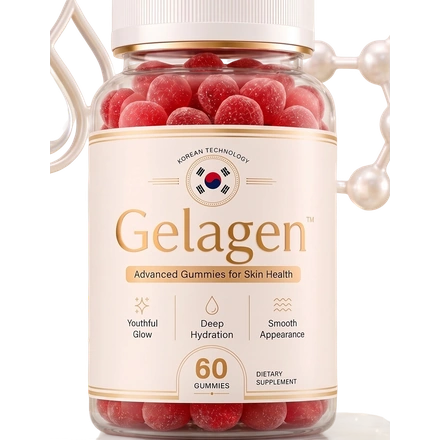
D-Biotin (Vitamin B7) serves as an essential prosthetic group covalently bound to four major mitochondrial carboxylase enzymes: Pyruvate Carboxylase, Acetyl-CoA Carboxylase, Propionyl-CoA Carboxylase, and Beta-Methylcrotonyl-CoA Carboxylase. In hair matrix keratinocytes, these enzymes catalyze critical carboxylation steps that synthesize long-chain fatty acids and facilitate branched-chain amino acid metabolism. When circulating biotin concentrations are optimized at therapeutic levels (such as the 5000 mcg provided in Gelagen), carboxylase saturation drives rapid cytokeratin mRNA transcription, visibly thickening emerging hair fibers and hardening fragile nail plates.
Published Clinical Evidence from Human Dermatological Trials
Dermatological literature provides compelling clinical confirmation of biotin's efficacy in addressing structural keratin deficiencies:
- Colombo et al. (1990): Clinical trials published in the Journal of the American Academy of Dermatology demonstrated that daily high-dose biotin supplementation in subjects with brittle nail syndrome resulted in a 25% increase in nail plate thickness and significant reductions in longitudinal splitting across six months.
- Hochman et al. (1993): A study evaluating brittle onychoschizia patients revealed clinical improvement in 63% of subjects receiving oral biotin, with scanning electron microscopy (SEM) confirming denser, more compact keratin lamellae.
- Patel et al. (2017): A systematic review in Skin Appendage Disorders analyzing 18 clinical cases of hair and nail pathology concluded that 100% of cases showed positive clinical response following high-potency oral biotin administration.