The Chemistry of Citrus Pectin vs. Porcine Gelatin
The excipient delivery base of a gummy supplement fundamentally dictates its pharmacokinetic dissolution profile. Traditional commercial gummies rely on animal gelatin—a denatured protein derived from boiling cattle hides, pig skins, and connective tissue. While cheap to manufacture, gelatin exhibits critical pharmaceutical drawbacks, including high melting sensitivity, potential bovine allergen contamination, and delayed gastric dissolution.
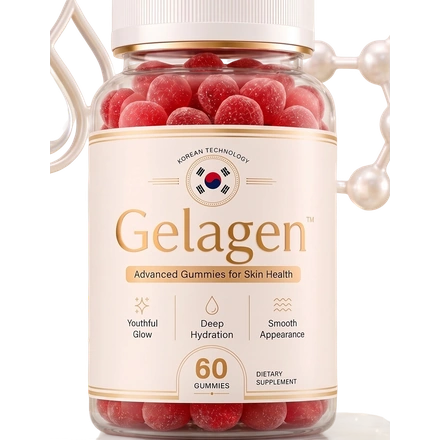
Gelagen is formulated with 100% pure citrus fruit pectin extracted from lemon and orange peels. Pectin is a structural heteropolysaccharide composed predominantly of partially methylated poly-alpha-(1,4)-D-galacturonic acid residues. When combined with natural fruit sugars and controlled acidity, pectin forms a tender, three-dimensional gel network that is completely stable up to 120°F (49°C), preventing gummy melting during summer shipping.
Dissolution Kinetics in Gastric Fluid
Upon oral ingestion, citrus pectin begins rapid mechanical pre-dispersion during chewing, assisted by salivary amylase. Once swallowed into the gastric environment, the pectin gel network dissolves within 5 to 8 minutes, releasing active micronutrients in fully ionized, bioavailable formats. In contrast, animal gelatin capsules frequently aggregate into a rubbery mass that resists gastric acid breakdown for 20 to 35 minutes, delaying duodenal absorption.